
As a result of societal changes, adoption has become an increasingly popular option for parents and childless adults alike. Each year, hundreds of thousands of adults make the life-changing decision to adopt, but what happens when it comes to actually parenting your new child? Read on to find out what to expect in terms of behaviour and how to form a secure bond with your adopted child.
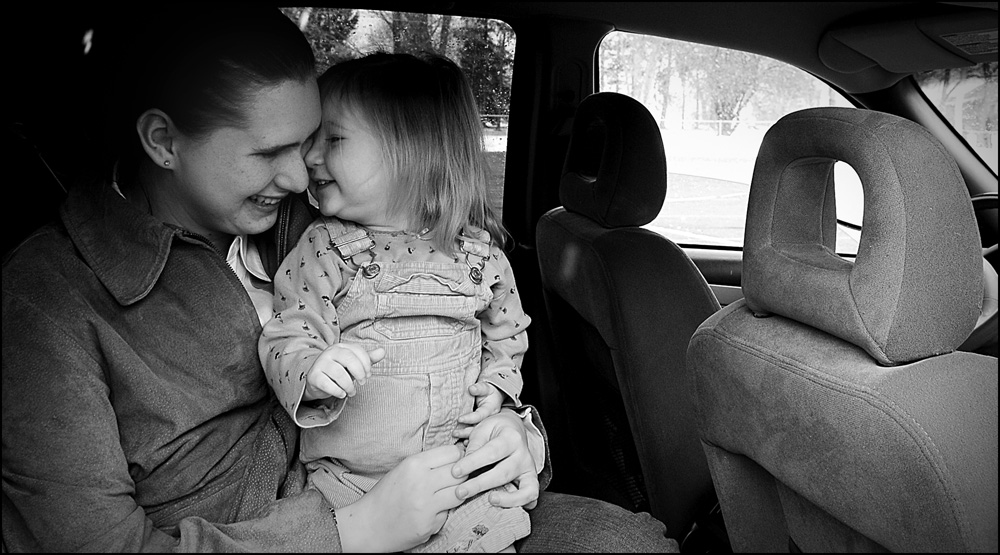
How an adopted child might behave with their new family is extremely subjective as each child will have different coping mechanisms. Age is a large behavioural factor, according to Miriam Reitz and Kenneth W.Watson co-writers of Adoption and the Family System: “Most children under the age of 4 lack the cognitive capacity to understand an explanation of what adoption is.”
The quote suggests that children under the age of 4 might find it easier to adjust than say, a teenager. According to a 2013 report carried out by the Department of Education, children over the age of 5 can take up to 2.5 years longer to be placed with a family than children under the age of 5.
First Impressions
For parents and children to form a strong bond, parents should aim to be trustworthy, nurturing and sensitive. These 3 qualities are considered to be crucial when it comes to ensuring a trusting and secure relationship.
Within Attaching in Adoption: Practical Tools for Today’s Parents, author Deborah Gray asserts that: “The quality of parent/child attachments becomes a template for all future relationships and core beliefs.” If this is true then making a lasting first impression is critical.
Secure Attachment
Attachment is key to alleviating the frustration and anxiety adopted children sometimes feel when they first enter a new home environment. Secure attachment is not something that will happen overnight, Gray cites some of the common ways in which parent-child attachments can be formed by helping them “get snuggles, explore the world, calm down, solve problems and reduce pain.”
Through attachment, children learn to value themselves, trust their environment and care about the feelings of others. Attachment is a core part of your child’s development and how strong that attachment is will determine how well your child is likely to develop.
Attachment Interruptions
Secure attachments are typically formed within the first year, but remember to take into account that your adopted child may have past attachment issues from instances such as foster care moves, neglect or orphan care.
In severe cases, adopted children may find it difficult to respond to their new family due to past issues. In these instances parents can often feel rejected and inadequate when trying to bond with their children. Patience and time is the healer here, be sure to make plenty of space in your schedule for bonding activities and aiding emotional development.
Adopt Wales are a group of Welsh adoption agencies on a mission to answer the frequently asked questions regarding adoption. For more answers to some of the most common adoption queries, visit the Adopt Wales website.